Aggregated across 300+ campaigns, 14 markets, 6 years of studio work.
New to this? See the 60-second visual map of creative tech first, it covers AR, spatial computing, AI production and physical installations in one place. Then see how 3D animation actually works, keyframes, poses, and what triggers them in AR.
The brief is not the starting line
In a traditional campaign, the creative director receives a brief, interprets it, and develops a visual and tonal direction. The brief defines the destination; the CD finds the route.
In immersive work, the CD has to re-examine the brief before that process starts. Because the format itself may be wrong for what the brief is actually trying to achieve.
A brief that says "we want a Snapchat lens for the product launch" has already made a format decision. The role of an immersive CD is to trace that back: what does the brand actually need from this moment? What should the audience feel, do, or share? And once that's established, is a Snapchat lens the right format, or would a WebAR experience, a Spectacles activation, a projection, or a combination of formats serve that outcome better?
This is not pushback. It is the first creative act of the project. Studios that skip it produce technically competent activations that miss the point of the campaign.
The most common version of this problem is the brand that asks for "something immersive". Almost every brand wants immersion. Almost none can define what they mean by it. Without a definition, the studio is guessing. Part of the immersive CD's job at brief stage is to help the brand translate "I want immersion" into a concrete audience experience: a moment of genuine surprise, or physical participation, or social sharing, and then work out which format delivers that most reliably for the specific context, budget, and timeline.
Concept in the medium, not on paper
A traditional campaign concept lives in two dimensions. The visual, the copy, the composition. You can represent it on a PDF. A well-crafted deck tells the story of what the campaign will be.
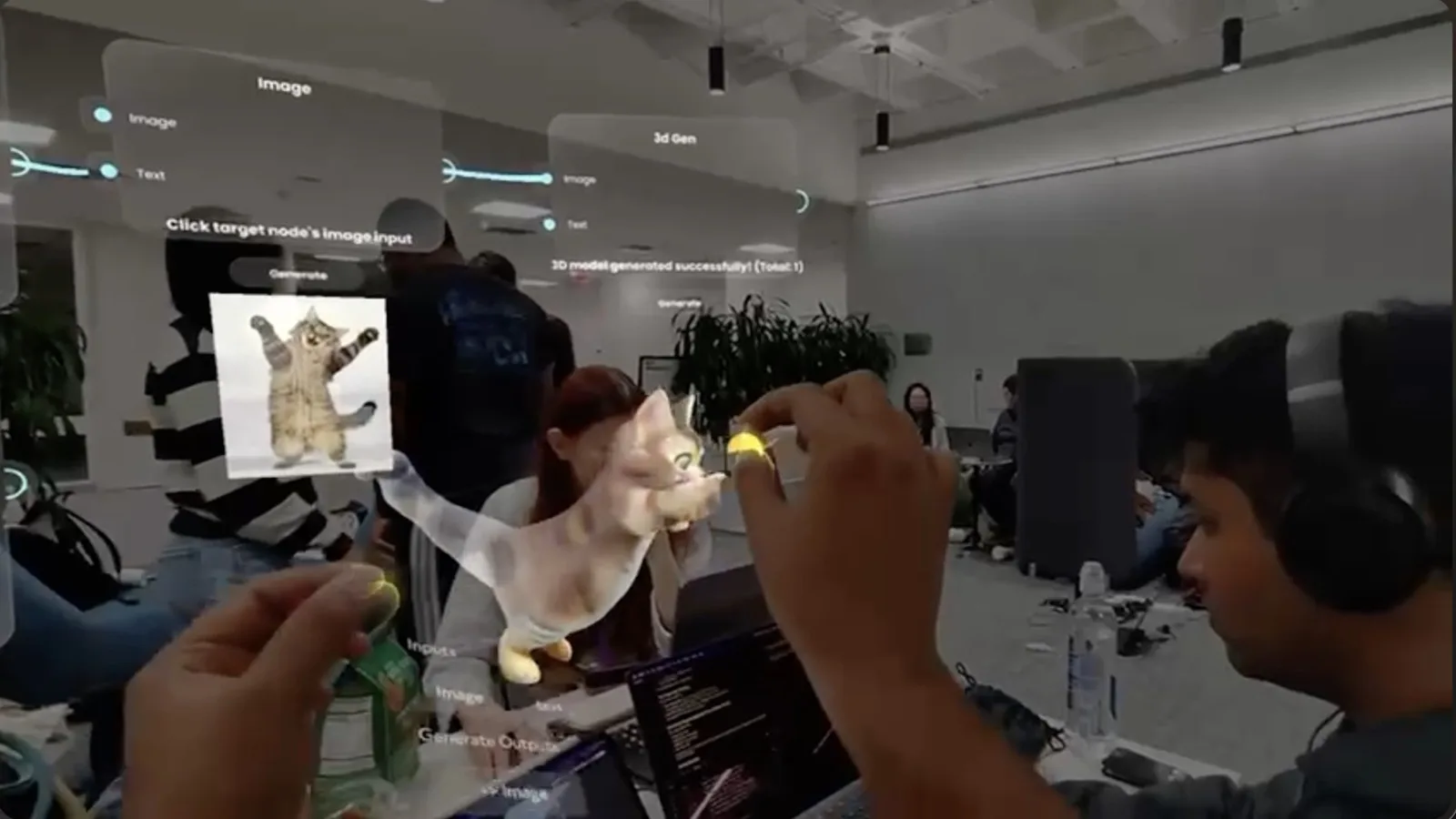
Immersive concept cannot fully live on paper. It has to be prototyped, even crudely, because the interaction design, the spatial feel, the latency between trigger and response, and the way the medium handles real-world conditions are not things you can represent in slides. A lens that looks clean in a flat render can feel unresponsive or disorienting at event scale. A spatial experience that sounds immersive in a brief can feel shallow when the environment doesn't cooperate.
This changes how long concept takes, what approval looks like, and what the client needs to understand before they sign off. It also means the CD needs to be technically fluent, not as a developer, but as someone who knows which ideas require prototyping before they're approved, and which can be executed directly from concept.
Platform knowledge is creative knowledge
In traditional creative direction, the medium is relatively stable. A 30-second film, a print ad, a digital banner: the constraints are known and they change slowly. You can build up expertise in those formats over years and rely on it.
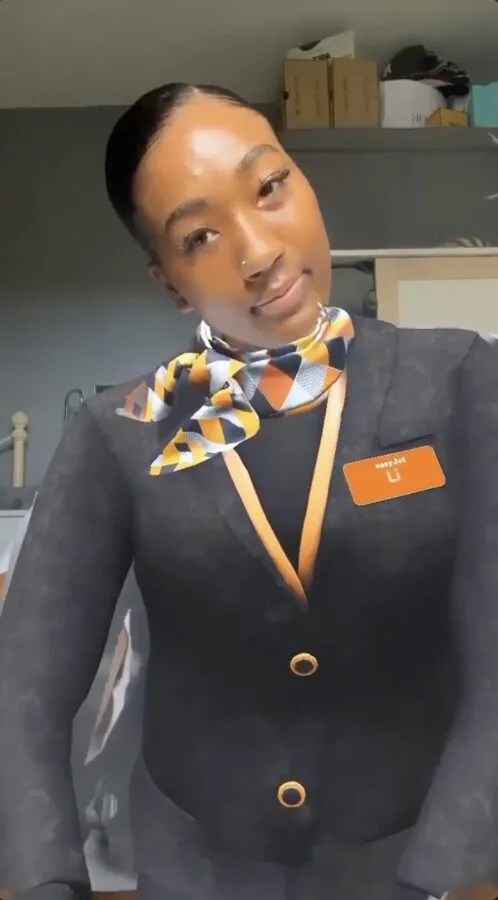
Immersive platforms evolve much faster. SDK capabilities, submission requirements, hardware constraints, and new platform features shift every few months. Knowing what Snap's body tracking can render in real-time at a given point is not a technical footnote: it is a creative constraint that has to be factored into the concept at brief stage, not discovered two weeks before launch.
The same applies across every platform in the immersive stack. Meta Spark and Instagram AR have their own rendering limitations, face-tracking capabilities, and distribution mechanics that are entirely different from Snap's lens ecosystem. TikTok Effects Studio operates under different content policies, different interaction paradigms, and a different audience context. AR mirrors and AI mirrors for live installations have their own set of physical constraints: projection distance, crowd throughput, body-tracking accuracy in mixed lighting, that require directorial decisions no slide deck can anticipate. A CD who has only worked in one of these mediums cannot give you an unbiased format recommendation.
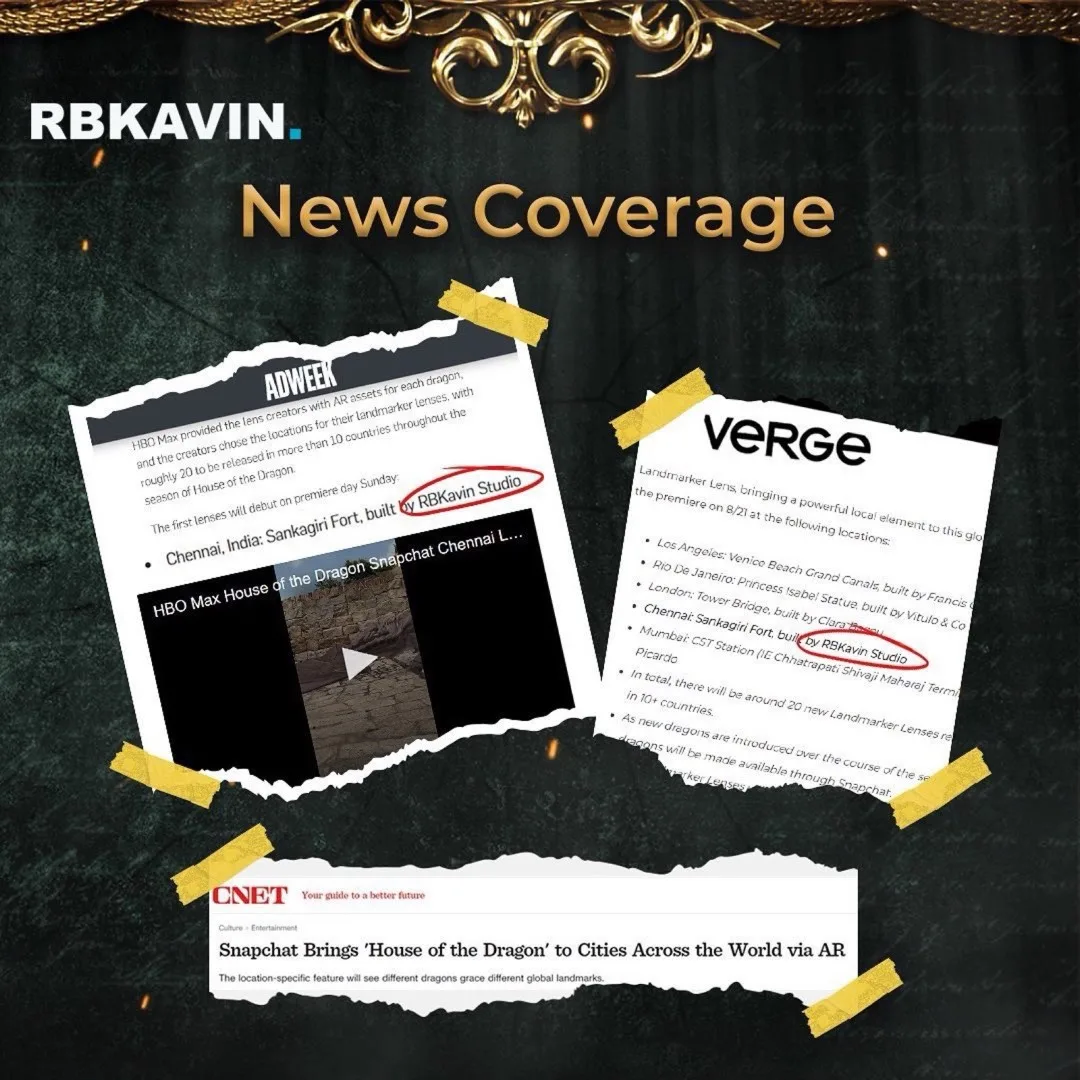
Official platform partnerships matter here too. Working as a Snap Lens Network Partner, Meta Spark Partner, and TikTok AR Partner means direct access to platform teams, early visibility of SDK changes, and a working relationship with the people who review content before it goes live. That access is a creative asset, not an administrative one: it means fewer surprises in production and a shorter path from concept to launch.
Production oversight in immersive work
In a traditional campaign, production oversight means ensuring the output matches the creative direction. The director reviews the grade, approves the mix, confirms the layout. The questions are largely aesthetic.
In immersive production, the CD has to hold creative standards across a medium that cannot be fully evaluated outside of it. Does the interaction feel right at the intended speed? Does the spatial layout read clearly when a person is wearing the device, not looking at a screen recording? Does the lens hold up under outdoor lighting at midday, or only in the controlled conditions where it was built?
These judgements require being in the medium, not reviewing renders. It means the CD is present during testing, not just at the final sign-off. It also means the production timeline needs to allow for it. An immersive experience that is only ever reviewed in screen recordings has not been properly directed.
On-day direction at live events
Live activations introduce a layer of variable that most campaigns never deal with. Audience behaviour, venue lighting, network conditions, device battery, and throughput: all of these affect how the experience lands in practice.
The CD on the day is not doing post-production notes. They are making real-time calls: is the dwell time where we expected? Is the audience struggling with the interaction at a particular step? Does the briefing moment, the few seconds before a person puts on the glasses or opens the lens, need to change?
This kind of on-day direction does not appear in a traditional campaign production schedule. For immersive work, especially live activations, it is the difference between an experience that works and one that performs in testing but frustrates real audiences.
What to look for when hiring an immersive CD or studio
The studio should have live, deployed work in the relevant medium: lens launches, live activations, Spectacles builds. Prototypes and student projects are not the same as work that ran in front of a real audience. Ask to see something live, or something that was live.
A studio that opens the conversation with "here is what we would build for you" is a production house. A studio that asks what you need the audience to feel, do, or share before anything else is a creative partner. The distinction matters more in immersive work than in any other medium, because the format choice is consequential in a way that it isn't in, say, a display ad.
A studio that only works in one platform will recommend that platform regardless of whether it is the right fit. Look for work across social AR, WebAR, Spectacles, and installations. Range is evidence that format recommendations are based on brief fit, not capability limitation.
Immersive CDs should have opinions. Not arbitrary ones: opinions rooted in what the medium can and cannot do, and where the brief's goal is best served. If a studio agrees with everything in your brief on first read, they are not directing your campaign. They are executing it.
Insights newsletter
Smart glasses, AR campaigns, spatial computing.
Straight to your inbox. No noise.
SubscribeReady to brief an immersive campaign?
We work with brand teams and agencies from brief to activation. Send us a brief or a brief question.
Start a projectFrequently asked questions
What is the difference between an immersive creative director and a traditional creative director?
A traditional creative director works primarily in two-dimensional media: film, print, digital. The medium is well-understood, constraints are fixed, and the output can be reviewed in static form before production. An immersive creative director works in spatial, interactive, and time-based media where the experience can only be properly evaluated inside the medium itself. The role requires understanding the technical constraints of platforms like Snap Spectacles or WebAR as creative constraints, not as separate from the creative work. It also requires making live directorial decisions in physical environments, which traditional campaign production rarely demands.
How early in a campaign should an immersive creative director be involved?
At brief stage, not after the brief is written. This is the most common mistake brands make. The immersive CD needs to be involved when the brief is being built, because format selection is a creative decision, not an operational one. If the CD arrives after the format has been decided, they are executing someone else's format choice, which may not be the right one for the brief's actual goal. The earlier the CD is involved, the more likely the concept will fit the medium, the audience, and the available timeline.
Do we need an immersive creative director if we have an in-house creative team?
An in-house creative team is strong on the brand's core medium. If that medium is not spatial or interactive, bringing in a specialist CD for an immersive campaign is the right call. The immersive CD brings platform knowledge, live activation experience, and a portfolio of deployed work that informs every decision from brief to go-live. The most effective projects pair an in-house team who know the brand deeply with a specialist studio that knows the medium deeply. The in-house team provides brand guardrails; the immersive CD translates those into the right spatial experience.
What does an immersive creative director actually deliver?
In a well-run project: a format recommendation with reasoning at brief stage; a concept that can be prototyped in the medium before full production; production oversight that covers both the visual quality and the interaction quality of the experience; and on-day direction for live activations, where real-time judgement calls determine whether the activation works for real audiences. The deliverable is not a mood board or a presentation deck. It is a running, deployed experience that works in the environment it was designed for.
Related articles