Why most immersive briefs fail
In most of the briefs we receive, the technology is named before the audience has been described. "We want an AR filter" or "we need a WebAR activation for the launch." The format is chosen, the emotion is undefined, and the KPIs are left as a placeholder for someone to fill in later.
The result is a technically correct experience that no one remembers. The AR works. The 3D assets render. The filter is shareable. And the campaign ends with modest numbers and a vague sense that immersive wasn't the right call, when the real issue was a brief that never asked what it was for.
Three patterns appear in almost every underperforming brief:
- Technology-first framing. The format (AR, projection, installation) is specified before the audience's emotional state has been defined. This collapses creative options from the start.
- No KPIs. "We want it to go viral" is not a KPI. Without a defined measure of success, there is no way to make production decisions, optimise the experience, or report back to stakeholders accurately.
- Last-minute timelines. An immersive experience that takes eight weeks to build cannot be briefed four weeks before the campaign goes live. Timeline pressure compresses creative quality and removes the ability to test properly.
None of this requires a long brief to fix. It requires asking the right five questions before anything else.
The five questions every brief must answer
These five questions make up the RBKAVIN. Brief Framework: the intake structure we use for every immersive project before any technology or format is specified.
A brief that answers all five of these questions clearly can fit on one page. A brief that doesn't answer them can run to twenty pages and still not give a studio what it needs to build something good.
Question 1
What should the audience feel?
Not what they should see, what they should feel. Amazed. Seen. Nostalgic. Excited. Unsettled. The emotional outcome shapes every creative decision that follows: the visual language, the scale, the pacing, the sound design. "We want it to look premium" is a visual direction. "We want people to feel like they've stepped into another era" is an emotional brief. The second is dramatically more useful.
Question 2
Where does the experience live?
Social platform (Snapchat, TikTok). Physical space (event, retail, public venue). Owned web property (brand website, microsite). Device-specific (Snap Spectacles, headset). The answer determines the platform constraints, the audience discovery mechanism, and the entire technical approach. Changing the answer at the 50% mark of production is extremely costly.
Question 3
Who is the audience and what are they already doing?
Demographic is the start, but behavior context matters more. Are they scrolling a social feed at home, standing at a festival, or pointing their phone at packaging in a supermarket aisle? The physical and digital context dictates the interaction model. A standing audience at an event can engage for 90 seconds. A scroll-feed user has four seconds before they continue past.
Question 4
What do you want them to do next?
Share. Buy. Return. Remember. Each of these calls for a different experience design. An experience built to generate UGC needs a shareable visual moment as its centrepiece. An experience built to drive purchase needs a clear path from the AR moment to the product page. Defining this in the brief means the creative concept is built around the desired behavior from the beginning.
Question 5
What does success look like?
Define the KPIs before the work starts: reach and impressions, number of plays or sessions, average dwell time, UGC pieces created, conversion events, or brand recall score in post-campaign survey. These numbers anchor every scope conversation and every post-campaign review. Without them, "success" is whoever's opinion is loudest in the debrief.
Platform and format: how the brief changes
The five questions above apply to every immersive format. But each format also has its own brief constraints that are worth knowing before you sit down to write.
- Social AR (Snap and TikTok). Brief for a 5 to 15 second interaction. The experience must communicate its value instantly. UGC and sharing are built-in affordances. Reach is the primary strength. Budget for platform media spend in addition to production.
- WebAR. Lives on your domain, triggered by URL or QR. No platform dependency. Audience needs a reason to point their camera (packaging, OOH, event signage). Best for product try-on, on-pack experience, and owned-channel campaigns. Brief should specify trigger mechanism and target devices.
- Physical installation. Dwell time is higher (30 seconds to several minutes). The brief must include venue specifications: room dimensions, ceiling height, available power, ambient light levels, whether the space is permanent or temporary. Missing these details is where most installation budgets blow out.
- Projection mapping. Requires the surface to be known and photographed at brief stage. Building facade, vehicle, product object. The scale and geometry of the surface determines the production complexity entirely.
If you are unsure which format fits the campaign, describe the five questions above and let the studio recommend the format. That is a more productive starting point than specifying a format and discovering mid-project that it doesn't serve the objective.
Timeline reality
Timeline is where the brief most commonly creates problems. These are production realities, not buffers:
Typical production timelines
- Social AR lens (single mechanic): 3 to 6 weeks from brief to live
- Social AR lens (complex 3D, body tracking, location-based): 6 to 12 weeks
- WebAR experience: 4 to 8 weeks from brief to live
- Physical installation (design to install): 8 to 16 weeks minimum
- Projection mapping show: 10 to 20 weeks including venue survey, content production, and rigging
These timelines assume a signed brief, approved concept, and brand assets in hand at the start of production. Brief received with "we're flexible on the concept" or "assets are coming from the agency" adds weeks to every stage.
What to include in the brief document
One page. These six things:
- Emotional outcome. One or two sentences describing how the audience should feel.
- Audience. Who they are and what they are doing when they encounter the experience.
- Format and platform context. Where it lives, or what you are open to if you don't know yet.
- KPIs. Specific and measurable. Two or three, not eight.
- Timeline. Hard launch date if fixed. Flexibility range if not.
- Budget range. Ballpark is fine. A 4x spread ("somewhere between 20k and 80k") is not useful. A 2x spread gives a studio enough to recommend the right approach.
Attachments that help: existing brand guidelines, reference images showing the emotional territory (not the technology), and any IP or licensing context the studio will need to know about before they can quote.
What studios need from you before building
The brief gets the project started. Before production can begin, studios typically need the following from the brand team:
- Brand guidelines. Typography, colour palette, logo files, tone of voice. These govern every visual decision.
- Existing 3D assets. If the campaign features a product, character, or object that already exists as a 3D file, share it. Rebuilding from scratch adds weeks and cost.
- Platform accounts and access. For social AR, the brand usually needs a Snap or TikTok Business account. For WebAR hosted on the brand domain, IT access may be needed. Get this in motion early: account approvals have unpredictable lead times.
- Legal clearance for any IP. Licensed music, character IP, athlete image rights, location permissions. These take longer than any technical task and cannot be expedited. Brief the legal team the same week you brief the studio.
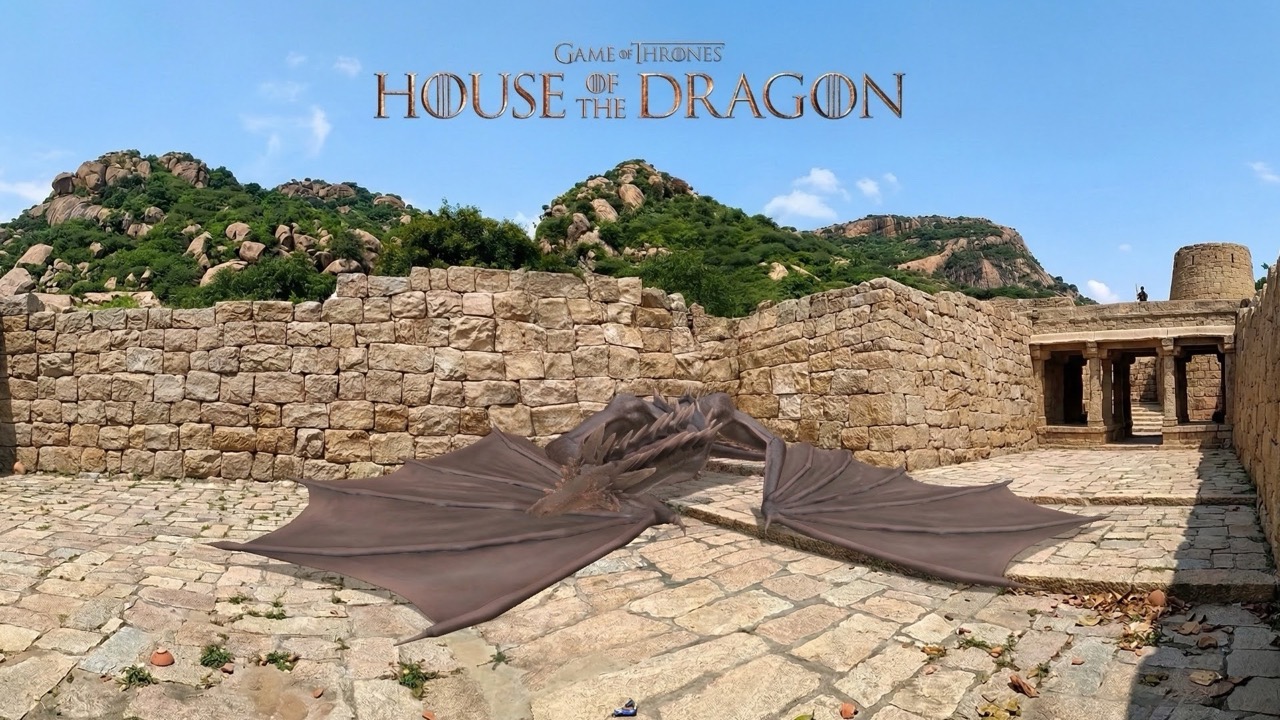
The HBO House of the Dragon Snap Map campaign is an example of what a focused brief makes possible. The emotional brief was precise: make fans feel like the world of the show has extended into their city. The platform was specific: Snap Map, location-based. The KPI was clear: interactions at the locations, UGC generated by fans who found the experience. Every decision in production (the 3D dragon scale, the sound design, the location distribution) came directly from that brief. There was no creative direction to negotiate mid-project because the brief had answered the right questions upfront.
Frequently asked questions
How long should an immersive experience brief be?
One page is ideal. A brief that runs to five pages with technology specifications and mood board attachments is not a brief. It is a pre-conceived solution. The goal is to communicate the emotional outcome, the audience, the format context, the KPIs, the timeline, and the budget range. Everything else comes from the studio's creative process.
Do you need to include a budget number in an immersive campaign brief?
Yes. A budget range saves significant time on both sides. Immersive experiences range from a few thousand pounds for a simple social AR lens to hundreds of thousands for a full spatial installation. Without a range, the studio cannot recommend the right format, and you risk receiving proposals that are either far over or far under what you were expecting.
What happens if requirements change mid-project?
Changes mid-project are normal, but their cost depends on when they arrive. Changes to copy, colours, or sound at the 80% mark are usually small adjustments. Changes to the core mechanic, platform, or device target at the 60% mark can require a partial rebuild. The best briefs include a stated review point, usually at concept sign-off, where scope is confirmed before production begins.
Insights newsletter
Smart glasses, AR campaigns, spatial computing.
Straight to your inbox. No noise.
SubscribeReady to write the brief?
Tell us what you are trying to achieve. We can help scope the right format, timeline, and budget for your campaign.
Start a project