Smart glasses have moved from developer demonstrations to brand activations. LEGO and ILM used Snap Spectacles to build spatial AR experiences. Oakley Meta and Ray-Ban Meta used camera glasses for talent-led campaigns. At MIT Reality Hack 2026, RBKAVIN. built noodle on Snap Spectacles and won the Snap category. These are not press releases. They are production decisions with creative reasoning behind them.
Platform split: AR display vs camera glasses
Smart glasses brand campaigns split into two distinct categories, and the split matters before any creative work begins.
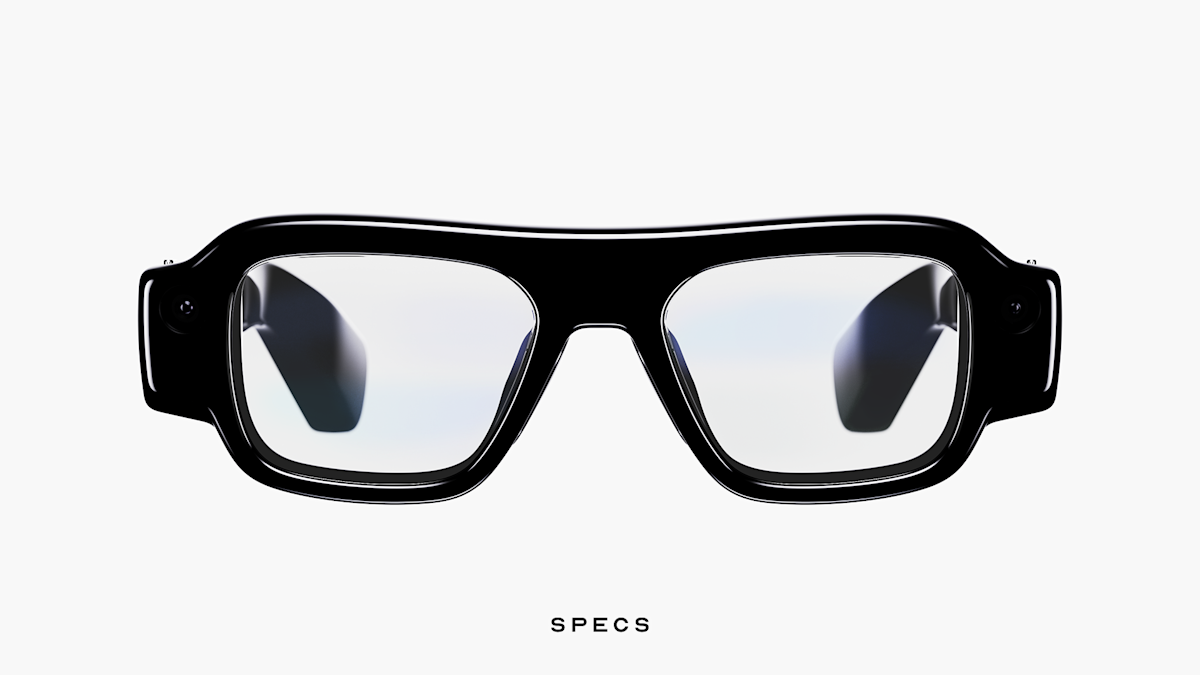
Snap Specs / Spectacles
The wearer sees spatial AR content overlaid on the real world. Both hands free, no phone required, full 6DoF spatial tracking. Used for immersive activations, games, and spatial experiences where the medium itself is the deliverable.
Meta Ray-Ban (Gen 2 + Display)
The wearer sees the world normally (or with a small HUD layer on the Display model) and captures content, streams, and receives AI audio. Used for content-led and reach-led campaigns where the audience is the platform, not the glasses.
The wrong platform choice produces the wrong output. The case studies below all chose correctly, and the choice was not arbitrary.
Case study 1: LEGO BRICKTACULAR (Snap Spectacles)
What was built
An interactive hand-tracked AR game on Snap Spectacles. Two modes: free building (open LEGO creation in AR, no phone, no controller) and challenge mode (build specific LEGO sets against the clock). Pure hand tracking and voice control. The audience was developers and partners at Snap Partner Summit, not a public consumer release.
Why it worked
The LEGO IP was a perfect match for the medium. Building things with your hands in AR is the natural extension of physical LEGO: the idea of the experience and the capability of the hardware are the same thing. The interaction model (hand tracking, no controller) was genuinely novel. This is what Spectacles hardware enables that phone AR cannot replicate. And the experience had one mechanic, executed completely. Free building and challenge mode are variations on the same core interaction, not two different briefs bolted together.
What brands can take from it: match your IP to what the hardware actually does. Do not build a brand awareness slideshow when the hardware enables physical interaction.
Case study 2: ILM Star Wars Holocron Histories (Snap Spectacles)
What was built
Three chapters of a Star Wars story experienced through Snap Spectacles. A Jedi vs Sith encounter. A Nightsisters cautionary tale. A Guardians of the Whills story. Users guided by "a former student of the Force." Developer-tier audience only.
Why it worked
Narrative structure, not gamification. The experience told a story. The wearer was the audience, not the hero, but the AR medium made them the witness to something that could not exist on a screen. The IP calibre (Star Wars) combined with spatial AR created something genuinely new: a chapter of the canon you can stand inside.
Three chapters demonstrates confidence in the medium. That is a commitment to the platform, not a demo. ILM built something they intended to return to, which is different from building a proof of concept.
What brands can take from it: spatial AR is a storytelling medium. If you have a story worth telling, the hardware gives you a canvas that no screen can replicate.
Case study 3: noodle (RBKAVIN. Immersive Studio, Snap Spectacles)
What was built
noodle is a spatial AI workbench on Snap Spectacles. Not a game. Not a brand experience. A productivity tool: a mixed reality creative workbench where digital tools exist in the room with you. Users go from 2D sketch to 3D output using only their hands and voice, through a node-based generative AI workflow. It won the Snap category at the world's largest XR hackathon.
Why it matters for brands
noodle demonstrates the ceiling of what Spectacles-class hardware can produce when you take the medium seriously. The design principle: environmental rather than screen-like. No HUD overlay. The experience belongs in the space. The medium is not limited to games and brand demos: a spatial computing interface is a different kind of output, and the hardware enables it.
For brands, the relevance is the design standard. If a hackathon team can build a first-time-user-navigable spatial tool in 48 hours, a properly resourced brand production has no excuse for producing an experience that requires a handler to explain it.
See the full build: noodle case study
Case study 4: HBO Snap Map AR (RBKAVIN. Immersive Studio)
What was built
An AR experience for HBO on Snap Map, deployed to Snapchat's audience at scale. The experience ran on a platform millions already had in their pocket, not on developer glasses.
Why it matters
This is the reach model, not the depth model. The campaign reached more people than any Spectacles activation could, because it ran on a platform with an existing audience of hundreds of millions. The creative was built for the distribution, not retrofitted to it.
The lesson for brands: know which audience model your brief requires. For reach, Snap's phone AR platform remains the most effective tool in the category. For depth of experience, Spectacles is the right hardware. These are different briefs, and confusing them wastes both.
See the full campaign: HBO case study
Case study 5: Anderson .Paak, Tinashe + James Blake x Meta Ray-Ban
What was built
A 30-second campaign spot and extended content showing three artists at a party. Hands-free photo capture, music listening, Meta AI, all while wearing the Ray-Ban Meta glasses. Fashion-forward styling, emphasis on presence and not staring at a phone. Distributed via Ray-Ban and Meta social platforms.
Why it worked
The talent matched the product's aesthetic. Music, fashion, creative community: this is exactly the audience Meta Ray-Ban is designed for. Zero tech jargon in the creative. The glasses make you more present. That is the whole brief, and the campaign committed to it completely without hedging toward a product demo.
The camera format was the right choice. Meta Ray-Ban Gen 2 has no AR display, so the brief was correctly built around content creation and lifestyle, not visual overlay. Platform and brief were the same thing.
What brands can take from it: do not brief the wrong platform and then compensate with talent. Brief the right platform for your output, then cast to fit.
Case study 6: Oakley Meta, Super Bowl 2026
What was built
A Super Bowl commercial positioning Oakley Meta as AI-powered athletic intelligence. Not lifestyle, not entertainment, not social reach. Athletes, performance, and athletic AI. The biggest media slot of the year used to establish a single proposition: these are glasses for athletes who use AI.
Why it worked
The casting matched the product. Oakley's audience is athletes. The talent were athletes, from NFL to PGA Tour to Olympic disciplines. The creative proposition was specific: athletic AI, not camera glasses for everyone. Clear positioning at the biggest media moment of the year.
Spike Lee's direction gave it aesthetic credibility with a Black athletic audience that Oakley was building toward. The brief, the platform, the talent, and the director were all aligned toward the same audience and the same proposition.
What brands can take from it: platform choice, creative proposition, and talent alignment is the full equation. Getting any one of these wrong makes the others irrelevant.

Three patterns across all six case studies
What comes next
Snap Specs launched June 2026 at $2,195 with a Fall 2026 ship date. The first brands to produce activations on consumer Specs hardware will have documented case studies when the broader market catches up. That production window is open now.
The pattern in every case study above holds for consumer Specs: brief the platform correctly, build something the hardware uniquely enables, and plan the amplification before you build the experience. None of these lessons change when the audience scales from 50 people in a room to consumers buying through retail.
For a full breakdown of the platform decision before any brief, see Meta Ray-Ban vs Snap Specs for brands. For the Specs launch details, see Snap Specs just launched. For a broader view of what the medium looks like as a marketing category, see smart glasses brands in experiential marketing and AR glasses brand campaigns.
Frequently asked questions
What smart glasses brand campaigns have produced the best results?
The strongest outcomes come from campaigns where platform, creative output, and audience model are aligned. LEGO BRICKTACULAR used Snap Spectacles' hand tracking for a spatial building game: the hardware was the only way to deliver the experience. Meta Ray-Ban campaigns (Anderson .Paak, Oakley Meta Super Bowl) used camera glasses for reach and content, which is also the right platform for that brief. HBO used Snap Map AR at 1.5B+ impressions: phone-based Snap AR for scale, not glasses.
Which brands have used Snap Spectacles for activations?
LEGO (BRICKTACULAR, 2024), ILM Immersive (Star Wars Holocron Histories), and RBKAVIN. Immersive Studio (noodle at MIT Reality Hack 2026, Ice Fishing). These are the most documented activations on Snap Spectacles developer hardware. As Specs ships consumer hardware in Fall 2026, the list will expand substantially.
How do I start planning a smart glasses brand campaign?
Start with the brief, not the hardware. What does the audience experience? If they need to see AR content: brief for Snap Specs. If they need to create or receive content at scale: brief for Meta Ray-Ban. Then brief a studio with hardware access and production experience on that specific platform. Timeline for a Snap Specs activation is 8-12 weeks from confirmed brief.
What makes a smart glasses experiential campaign different from phone AR?
Phone AR is screen-based: you hold up your phone and see AR through the camera. Smart glasses AR is spatial: the wearer sees AR content integrated into their actual field of view, with both hands free. The difference in experience quality is significant. The difference in audience reach is the opposite: billions of people have phones; smart glasses are still a small, controlled audience per activation. Which difference matters most depends entirely on what your brief requires.
Insights newsletter
Smart glasses, AR campaigns, spatial computing.
Straight to your inbox. No noise.
SubscribeReady to build a smart glasses campaign?
We have shipped on Snap Specs and Meta Ray-Ban hardware. Tell us your brief and we will tell you whether it works.
Replies within 48 hours, straight from the studio.
Start a project