A camera sees a room.
Spatial computing sees
a place to stick things.
In short: spatial computing is technology that understands the real 3D space around you in real time, so digital content can anchor to a real surface and stay locked there as a camera or headset moves. Toggle the view below and watch the same room get mapped.
Camera view. This is just pixels. The device can see the room, but it has no idea the table is a surface, so nothing can stick to it yet.
Three things separate this from a screen
A phone filter that sticks a hat on your head is not doing this. Spatial computing needs all three.
AR, MR and VR are all built on top of this
Spatial computing is the underlying capability. AR, MR and VR are three different ways of showing you what it has understood.
Spatial computing (the capability underneath)
Not sure which of the three you mean? See AR vs VR vs MR explained →
It is not one device category
Smart glasses, headsets, phones, even devices with no screen at all can be doing this.
Spatial computing, built for real
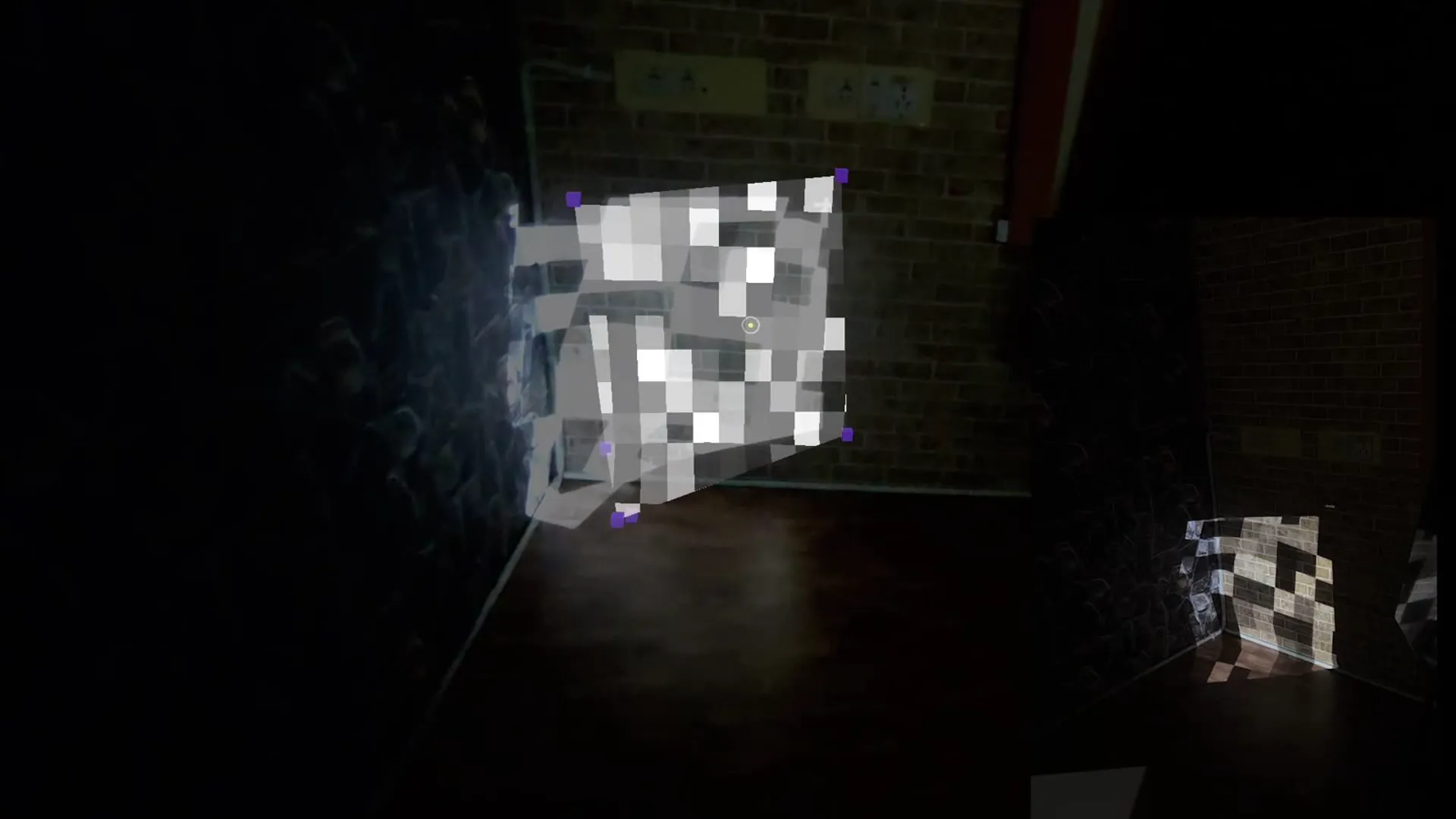
maps a real projector's light on Spectacles
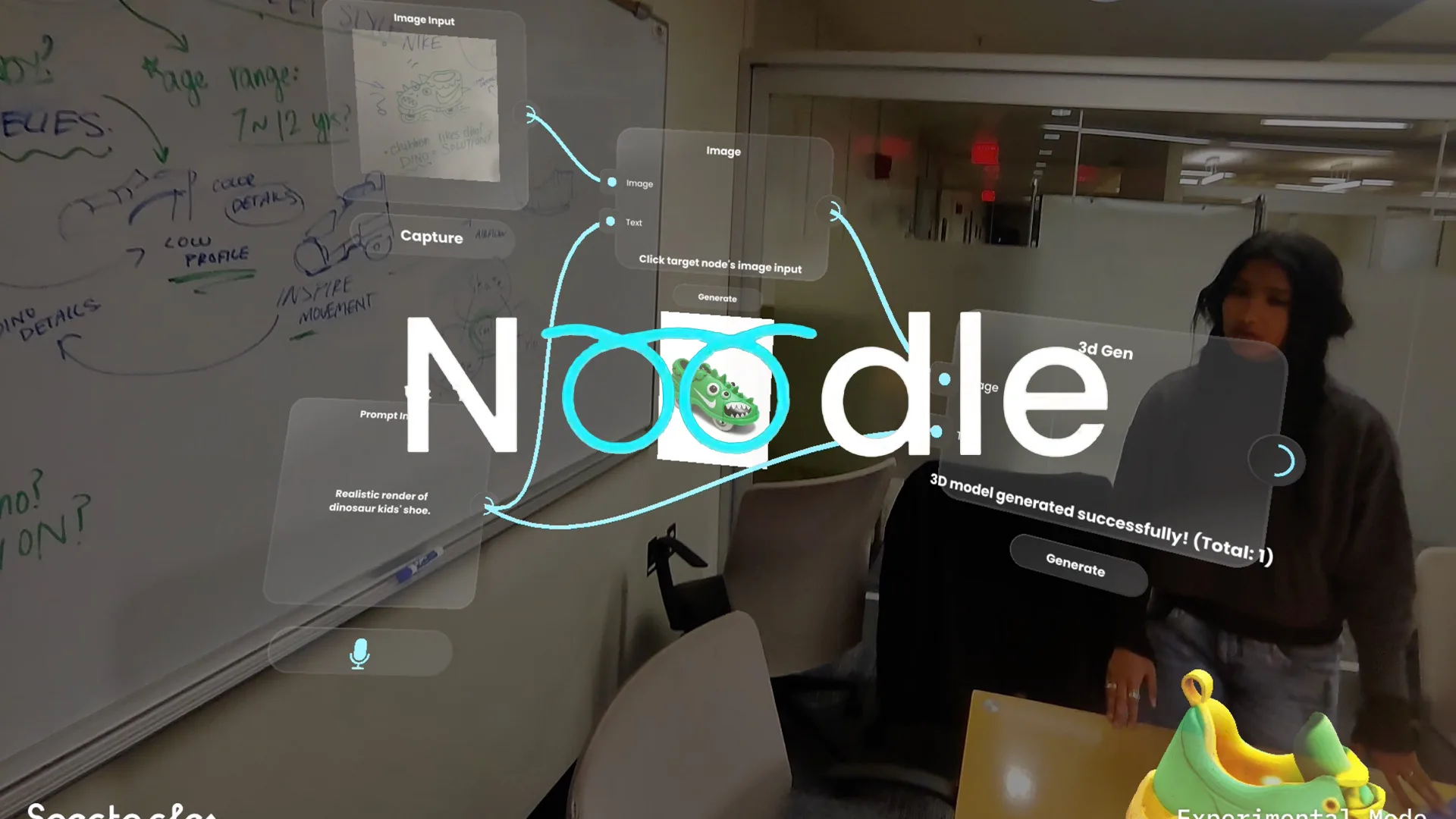
anchors a 3D model to a real desk
Tell us the physical space you're designing for.
We'll tell you what's actually possible.
Start a project
6 years directing AR campaigns, official Snap & TikTok partner. Replies within 48 hours.
Quick answers
What is spatial computing in simple terms?
Spatial computing is technology that understands the real 3D space around you in real time, walls, floors, tables, other objects, and uses that understanding to place digital content so it behaves like it belongs there instead of floating flat on a screen.
Is spatial computing the same as AR?
No. AR is one way of delivering spatial computing, overlaying digital content onto a view of the real world. Spatial computing is the broader capability underneath AR, MR, and VR: any system that computes with an understanding of 3D space.
How does a device actually understand a room?
Cameras and depth sensors scan the room and a SLAM (simultaneous localization and mapping) algorithm turns that scan into a live 3D mesh of the surfaces around you. Once that mesh exists, digital content can be pinned to a point on it and will stay there as the camera or headset moves.
What are real examples of spatial computing?
Snap Spectacles anchoring a 3D model to a real desk, Apple Vision Pro placing app windows around a room that stay put when you turn your head, a projection mapping tool tracing where a projector's light lands, and a robot vacuum remembering where the sofa is are all spatial computing.