What projection mapping is
Projection mapping uses software to warp and fit video content precisely onto irregular surfaces: a building facade, a car bonnet, a curved stage set, a product on a plinth. The projector output is calibrated so every corner, recess, and protrusion becomes part of the composition. From the audience's position, the physical object appears to move, transform, or dissolve.
It is not a simple projection. The mapping process requires a 3D scan or CAD model of the surface, content authored specifically to its geometry, and a technical rehearsal on-site. The result looks seamless because significant work happened before anyone arrived.
Prefer to see it instead of reading it? Try the 60-second visual version, watch light shape itself to a building's exact edges.
Why brands use it
The appeal is scale and shared experience. A projection mapping activation has four properties no other format matches:
- No device required. Every person in the space sees it simultaneously. There is no phone in the way, no app to download, no headset to put on.
- Scale without infrastructure. A single projector setup can fill a 30-metre facade. Building a physical installation that size would cost ten times more.
- Memorability. Projection on an unexpected surface, a product, a floor, an iconic structure, creates a moment audiences photograph and share without prompting.
- Flexibility. The same physical setup can run multiple content versions across an event: product reveal, campaign film, live data visualisation.
The three formats
Architectural projection
Content mapped onto a building exterior or interior facade. This is the format most people picture: a brand story told across a large surface, typically after dark at a launch or anniversary event. The surface geometry defines everything: projectors are positioned at a fixed distance and angle, content is authored to match, and nothing is improvised on the night.
Product projection
A single object, a car, a bottle, a sneaker on a pedestal, treated as the canvas. The intimacy of the format makes it powerful at trade shows, retail launches, and press events. With a high-lumen short-throw projector and a clean black void around the product, the effect is theatrical and precise. Content can respond to touch or motion sensors for interactive moments.
Floor and environment mapping
Projectors mounted overhead cast content across floors, ceilings, or the full interior of a space. Guests walk through the environment rather than standing in front of it. This format works well for brand worlds, product launches where audience immersion is the goal, and retail pop-ups where dwell time matters. It requires a space survey and ceiling clearance specification before any content is authored.
What makes a good projection mapping brief
The quality of the output is determined almost entirely by the quality of the brief. Four things matter above everything else:
Physical space
Dimensions, surface material, and finish. Share architect drawings or CAD files if you have them. If the surface is a listed building or a venue with access restrictions, flag that immediately, as it affects projector placement and permitting.
Lumen requirement
Determined by ambient light at the event time and the throw distance from projector to surface. An outdoor night event and an indoor semi-lit showroom need entirely different hardware specs. Share the venue lighting plan if one exists.
Content duration and looping
How long does the audience dwell? A product reveal needs 90 seconds of narrative. A retail environment running all day needs seamlessly looping ambient content. These require different production approaches and different budgets.
Tone and brand constraints
Projection content at full scale is more extreme than anything on a screen. Colours appear saturated, motion appears fast. Brief the mood with reference films, not brand guidelines. If there are palette restrictions, share the hex values early, as some colours hold poorly at scale.
What we have built
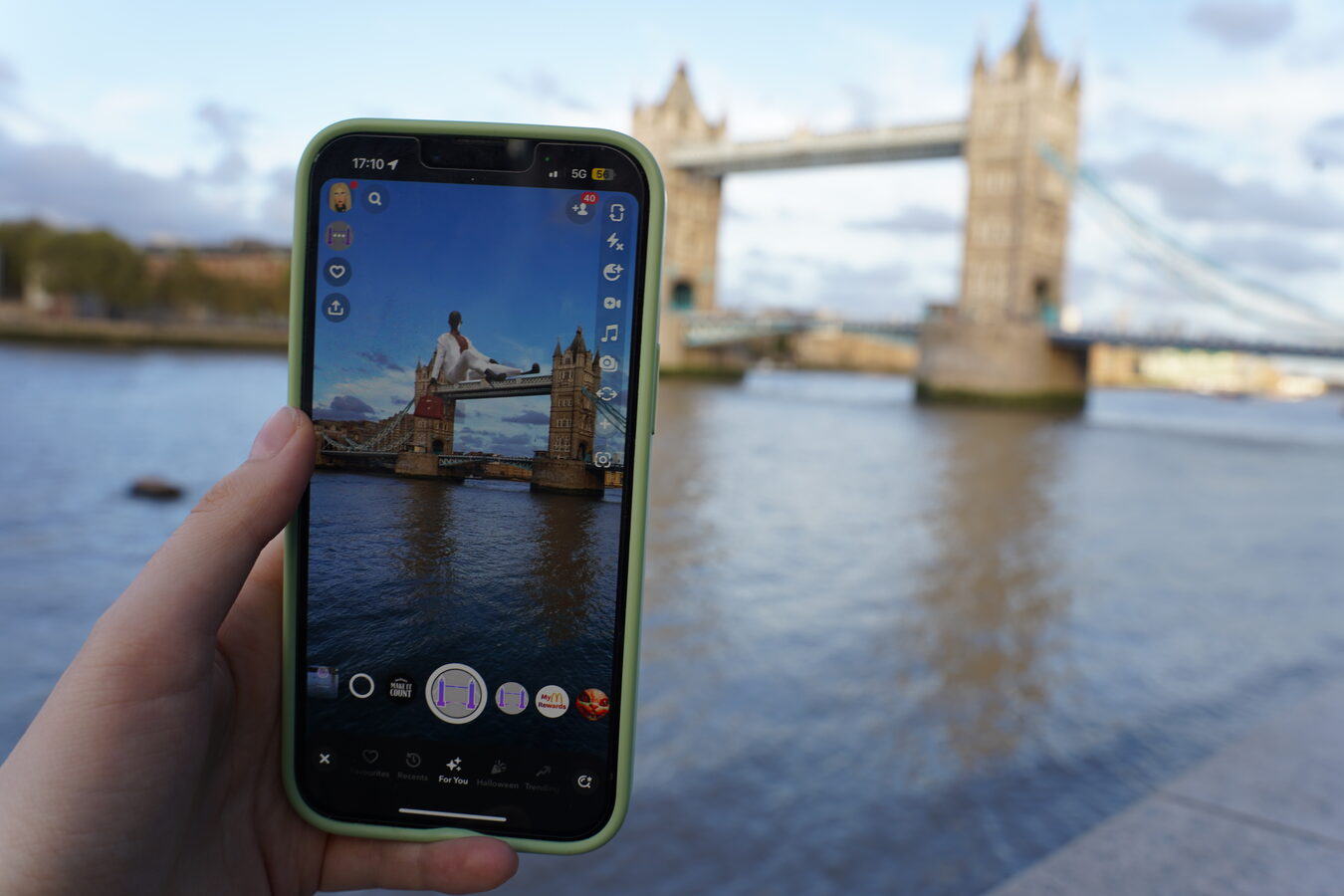
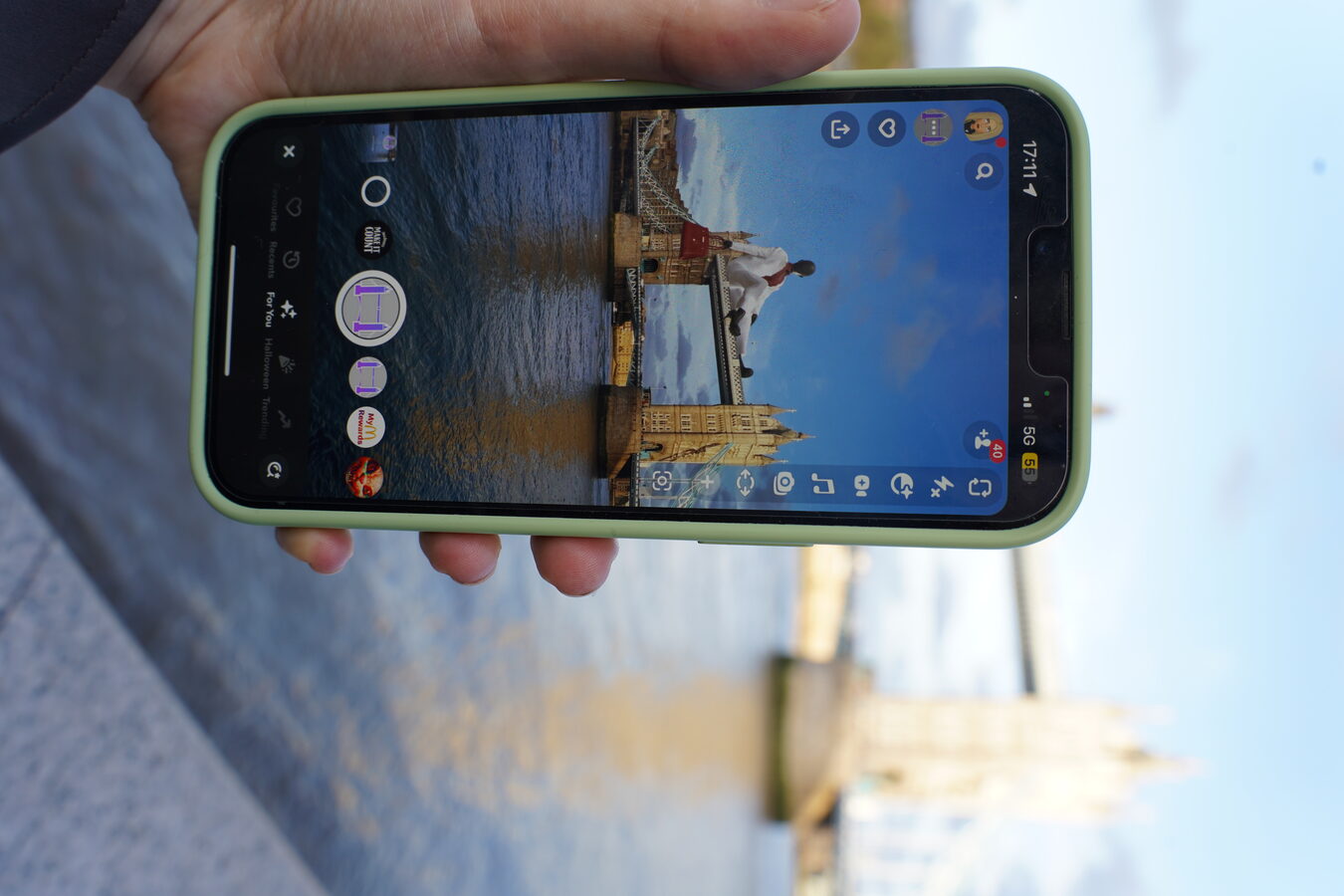
Our Tower Bridge project was a spatial AR installation, not projection mapping, but it demonstrates the precision content authoring that projection mapping demands: a 3D model mapped exactly to real architecture, designed to be experienced at scale and from multiple angles. The technical brief shares more with projection mapping than almost any other format. Real-world geometry as the canvas, content authored to the physical surface, audience experience tied to the presence of a specific landmark. The output is different; the production discipline is the same.
See the Tower Bridge case study: World-locked AR at Tower Bridge. For a deeper look at projection mapping as a format, the ImmersiveStudio guide covers the technical and creative fundamentals: What is projection mapping?
Studio experimental: projection mapping
Experimental projection mapping test from the studio: content authored to a physical surface, testing how motion, scale, and timing interact at close range. This is the kind of spatial content work that informs how we approach projection briefs.
Common mistakes brands make when briefing projection
These come up consistently and all of them are avoidable with a better brief.
Too much text in the content
Projected text at large scale reads poorly. Edges blur, contrast drops with ambient light, and an audience at distance cannot hold a long sentence. If your brief is "we need to get five key messages across," rethink the format. Projection excels at emotion, scale, and transformation. It is not an information delivery format. Move the text to a secondary screen or printed collateral.
Wrong surface specification
Glass facades, high-gloss paint, dark stone, and translucent materials all absorb or scatter projection. A building that looks ideal in daylight photographs can be technically unusable after dark. Always share material samples or a detailed surface spec before the hardware quote is locked.
No time allocated for the run-through
A projection mapping setup without a full technical rehearsal on-site is a gamble. Lighting conditions, projector alignment, surface imperfections, and content timing all need to be verified against the actual space. Build a minimum four-hour run-through window into the event schedule. Events that skip this step almost always have a problem visible to the audience.
Frequently asked questions
How much does projection mapping cost for a brand event?
A single-surface product or stage projection starts around $8,000–$20,000 for a one-night event, covering content production, technical hardware, and crew. Architectural facade work on large buildings typically begins at $40,000 and scales with surface complexity, projector count, and run duration. Budget for a content run-through on-site. It is not optional.
How far in advance should you book projection mapping?
For a straightforward single-surface activation, eight weeks is the minimum: four for content production, two for technical prep, two for on-site. Architectural projects on listed or complex buildings need twelve to sixteen weeks, partly for access permits and partly because facade surveys take time. Leaving less time means compromised content, not a cheaper job.
Does projection mapping need complete darkness?
Darkness is not required, but ambient light is your biggest enemy. Outdoor architectural work is almost always done after dusk. Indoor activations can use high-lumen projectors (20,000 lumens and above) to hold contrast in semi-lit spaces. The surface finish also matters: matte white holds projection far better than glass, gloss paint, or reflective materials. Always share your venue spec early so the right hardware is specced.
Planning a projection mapping activation?
Share your brief and we will tell you what is achievable, what hardware makes sense, and what to budget.
Start the conversation