Social AR by RBKavin Studio - Leading AR Filter Development
Social AR combines spatial computing and interactive 3D to create engaging AR filters for Instagram,
Snapchat, and TikTok. RBKavin Studio is an official partner of Meta Spark, Snap AR, and TikTok Effect House,
creating custom AR filters and effects that increase engagement, reach, and sales for forward-thinking
brands.
What is Social AR?
Social AR refers to augmented reality experiences designed for social media platforms. These include AR
filters, lenses, and effects that users can apply to their photos and videos, creating shareable content
that drives brand awareness and engagement.
Our Social AR Services
Instagram AR Filters: Custom AR filters for Instagram and Facebook using Meta Spark Studio. Our filters
enable face tracking, world effects, and interactive experiences that users can share with their followers.
Snapchat AR Lenses: Custom AR lenses for Snapchat using Snap Lens Studio. We create engaging lenses with face
tracking, body tracking, and world effects that drive user engagement.
TikTok AR Effects: Custom AR effects for TikTok using TikTok Effect House. Our effects create viral-worthy
content that increases brand visibility and user-generated content.
WebAR Experiences: Browser-based AR experiences that work directly in mobile browsers without requiring app
downloads. Perfect for brand activations and marketing campaigns.
Why Choose RBKavin Studio for Social AR?
We combine creative storytelling with technical engineering to deliver Social AR experiences that work
reliably across platforms. Our studio specializes in spatial computing, XR technology, and interactive 3D,
creating AR filters that drive measurable results for forward-thinking brands.
Complete Guide
What is Social AR?
Discover how brands leverage AR filters on Instagram, Snapchat, TikTok, and Facebook to create
engaging marketing campaigns that drive engagement and sales.
Everything you need to know about Social AR Marketing
01
What is AR?
Augmented Reality (AR) is a technology that brings the virtual world and real world
together. Its main purpose is to immerse the viewer into the experience it has
created. There are different types of AR content such as face filters, world
effects, portals and minigames.
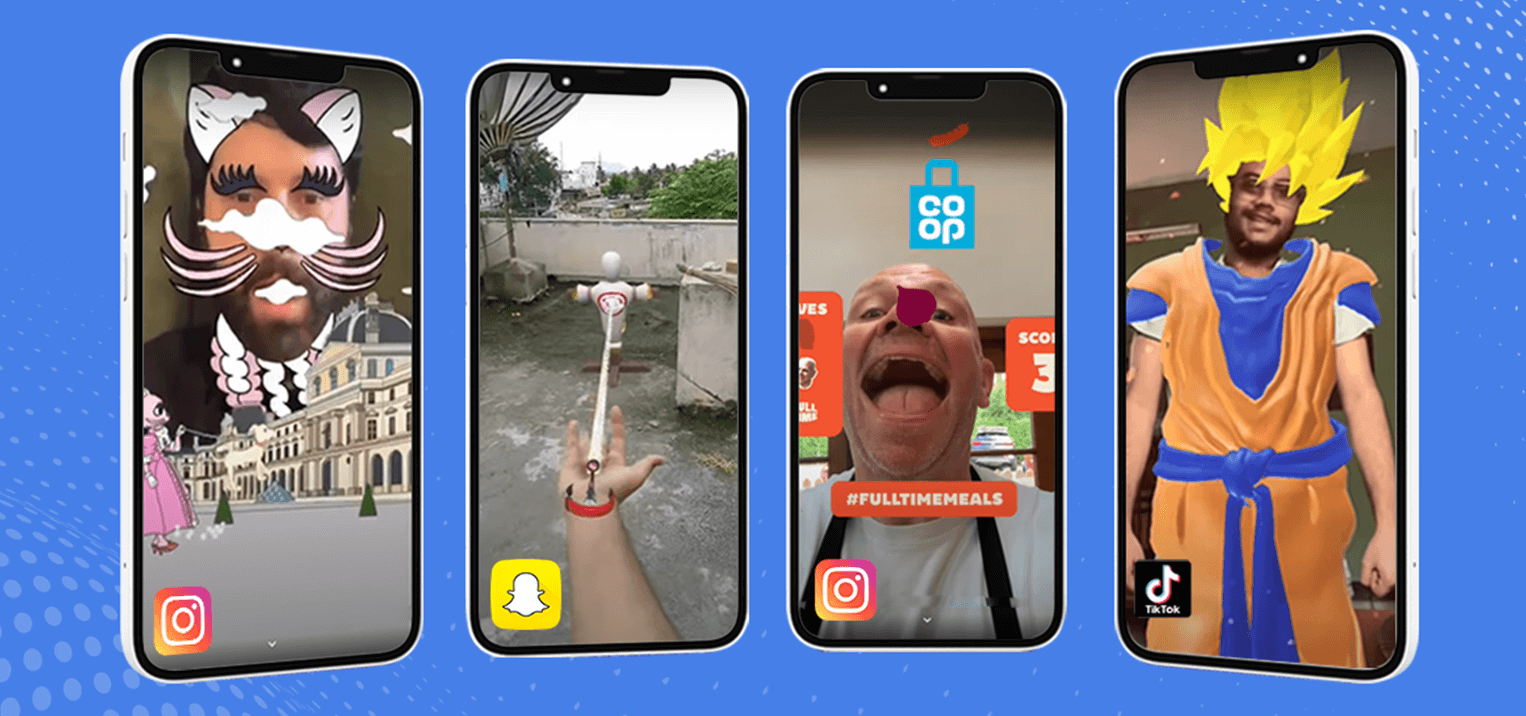
When social media apps such as Facebook, TikTok, Instagram and Snapchat use AR
effects for marketing purposes in a highly engaging manner, it is considered to be
Social AR. If you are a brand on Instagram and want an excellent way to bring in new
followers and get them to make a purchase, AR is what you absolutely need.
To create your own AR filter for your brand, contact RBKavin Studio. If you'd like
to try to make one using an "AR builder", you can try Spark AR. It's an augmented
reality platform which allows you to make filters and effects for Instagram Stories.
XR means mixed reality. It is a technology that uses any peripheral device to mix
reality with virtual space. So you could say it is a combination of VR plus AR.
Unlike VR, which creates and interacts with a completely digital world, the online
and offline worlds are combined in XR technology.
Web-based AR technology (webAR) is a technology that allows users to utilise their
cellphones to access Augmented content. WebAR allows users to experience AR via
their devices. It enables opportunities to engage with consumers by immersing them
in exceptional activities regardless of location and without the need for any
download.
Ever since explosion of AR on mobile devices, native app AR has been the only
option, in the beginning. These began as a logical evolution as technologies such as
Google Cardboards, Oculus Rift, and Gear VR became available. Microsoft HoloLens and
its successors delivered a rich augmented reality experience.
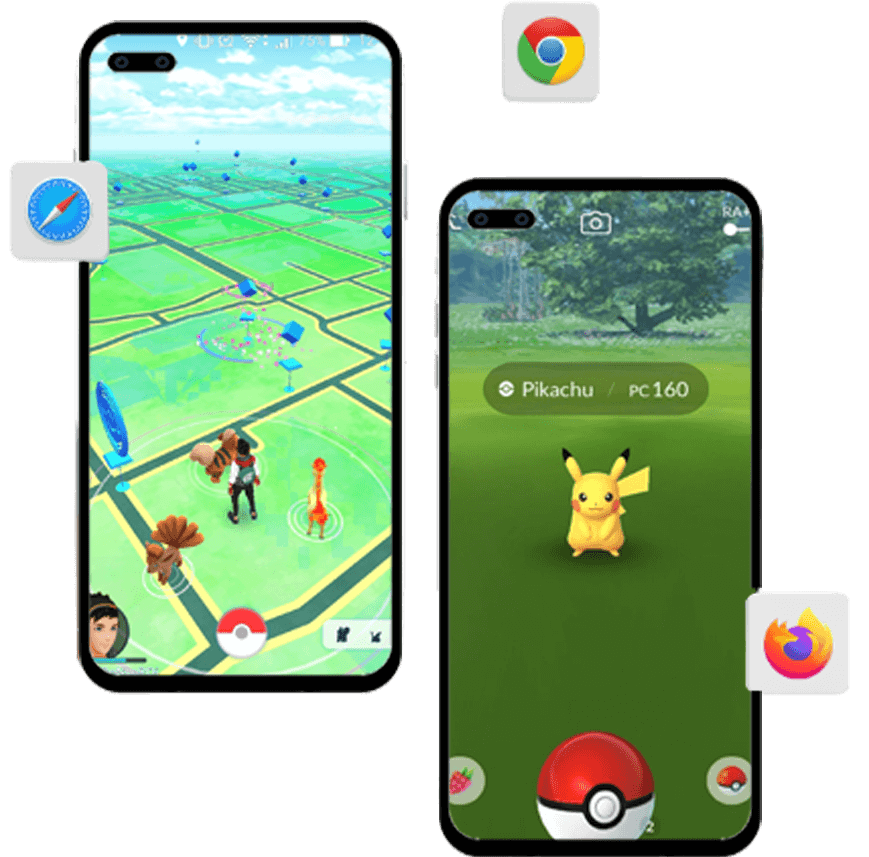
Native Apps seem to offer wide of options, but they come with their own heavy
pricing. However, cross-platform is a medium that should not be overlooked. The
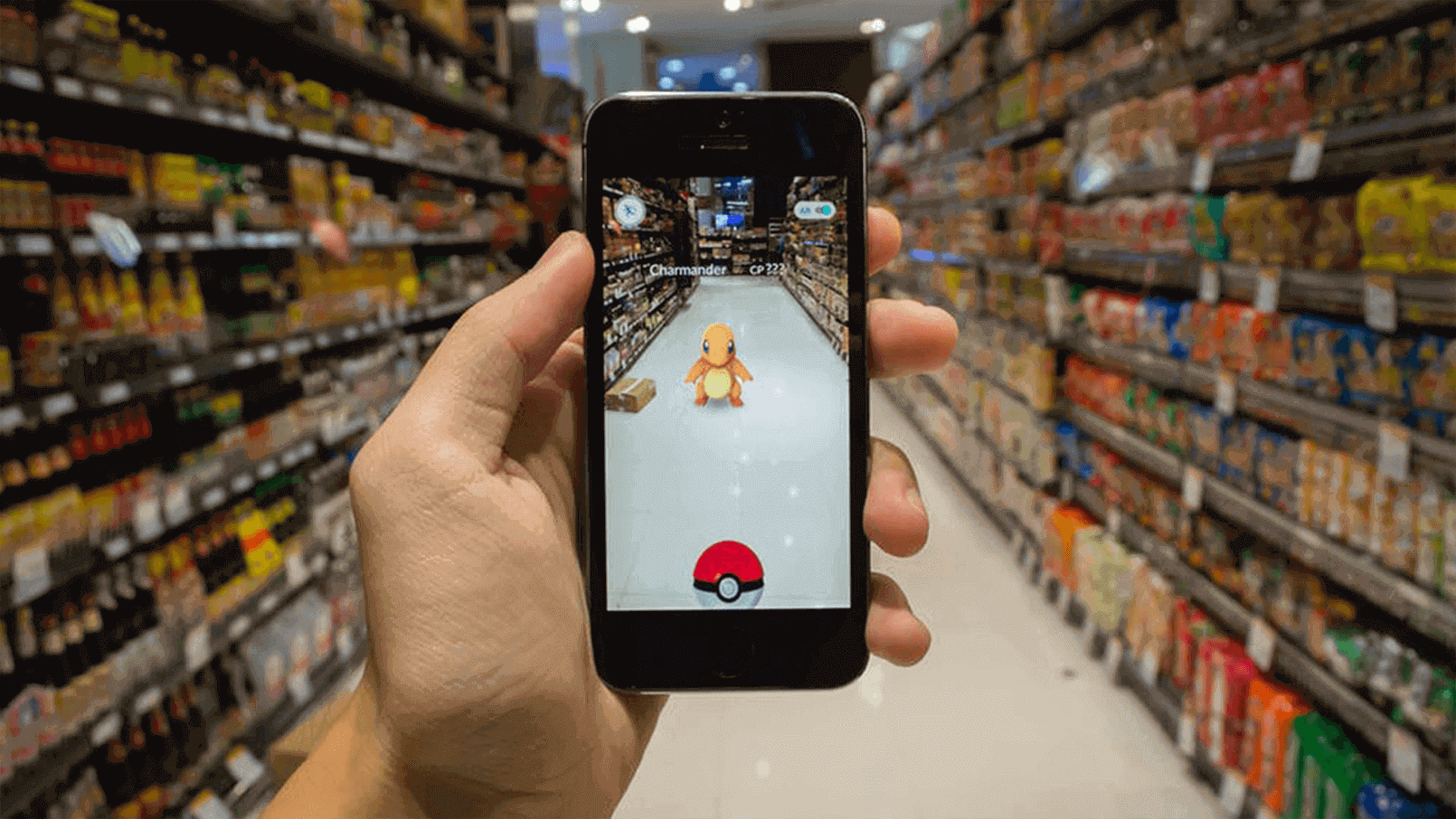
breakthrough of Pokémon Go is all it takes to understand the entire potential of
cross-platform AR apps. Cross-Platform WebAR apps, on the other hand, are a terrific
budget-friendly option.
With so many AR enabled devices, one might be questioning why you should consider
the transition from Native App AR to Web AR. To put it another way, AR sessions are
intended to last around 2 to 3 minutes, yet they often take 5 to 6 minutes to
download & install on your device.
Many don't understand how it works and how should they dive into this technology. Do
you have to spend a bomb to get AR content viral? What kind of content can you
create to boost your sales and gain more visibility? We will try to answer these
questions below.
All of these benefits of using AR sound good, but is there any data regarding the
impact of AR on marketing and brands? How does it increase buyer confidence? Let's
take a look at the statistics.
Here's a recap of what AR can do for promoting your brand organically, without
spending money on advertisements. A good AR filter made by your brand can help
people on Instagram, TikTok, Snapchat and Facebook share it with their friends and
family, thereby ensuring word of mouth publicity.
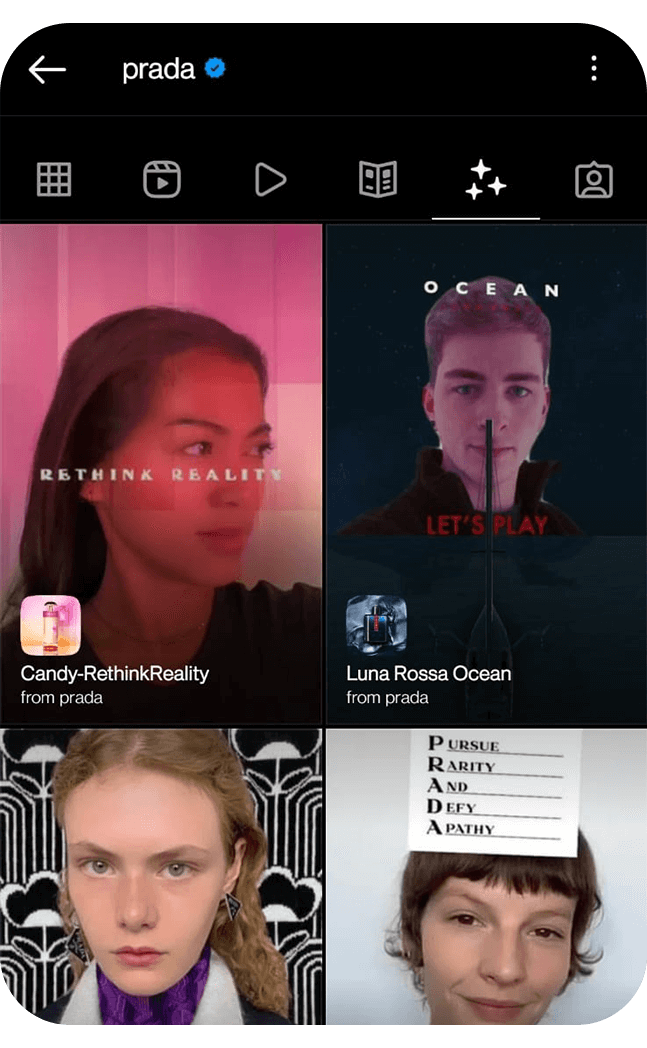
If you head to the Instagram handle of @prada, you will see a tab for AR filters
depicted by 3 stars. Under it, there will be multiple videos showcasing how they
have used AR for the brand. They have a minigame, a filter that shows how their
earring will look on you etc.
What's the Difference Between Normal Digital Marketing & Social AR
Based Marketing?
Digital marketing involves search engine optimization, content marketing, affiliate
marketing and many more elements. One such element is Social Media Marketing. While
photos and videos do the trick, businesses can take things up a notch with the help
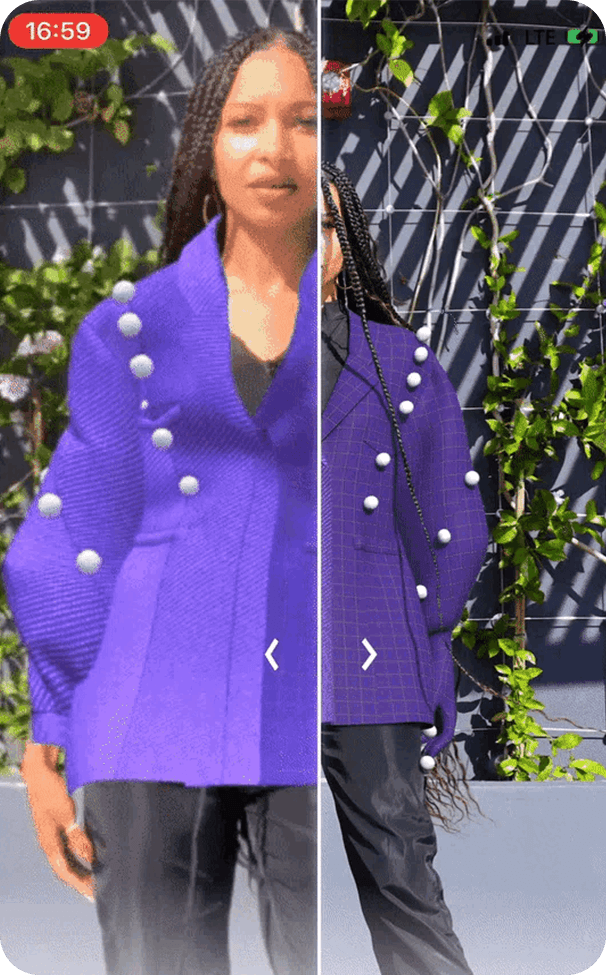
of Social AR. Here's an example of how ASOS used it almost perfectly.
After creating the AR experience that is going to benefit your consumers, you might
get confused about the next big step - promotion. How do you broadcast the fact that
you have a brand new AR effect waiting to be tried out?
In the next few years, the usage of AR is going to be more mainstream, as a whole
new set of brands decides to use it for growth. Don't miss out on this tool and
create versatile, unique and fun AR content for your business before time runs out!
Short answers to questions people actually search for about Social AR
Social AR is when augmented reality effects (filters, lenses, world effects and
mini‑games)
are used inside social media platforms like Instagram, Snapchat, TikTok and Facebook
to
create interactive content. Instead of just watching an ad, people can play with it,
record themselves and share it with friends.
Brands use Social AR to launch interactive filters, lenses and mini‑games that are
themed
around their products. These experiences can educate users, entertain them, allow
them to
virtually try products or participate in challenges. When people share these AR
videos and
stories, the brand gets organic reach and high engagement without feeling like a
traditional
ad.
A normal post is something people passively scroll past. An AR filter invites them
to take
an action – move, play, react, record or share. This interaction makes people
remember the
brand for longer and increases the chance that they follow the brand, save the
effect or
visit a website or store afterwards.
Yes. When people can virtually try a product, play with it or see it in their
environment,
they feel more confident about buying it. This reduces returns and increases
add‑to‑cart
actions. Social AR effects also generate a lot of user‑generated content, which acts
as
social proof and further boosts sales.
You work with an immersive studio like RBKavin Studio that specialises in Meta
Spark, Snap
AR and TikTok AR. We help you define the campaign goal, choose the right format
(filter,
world effect, mini‑game, WebAR, etc.), design the concept, build the experience and
support
you with launch and promotion strategies.